
HRV vs Mechanical Ventilation: the differences
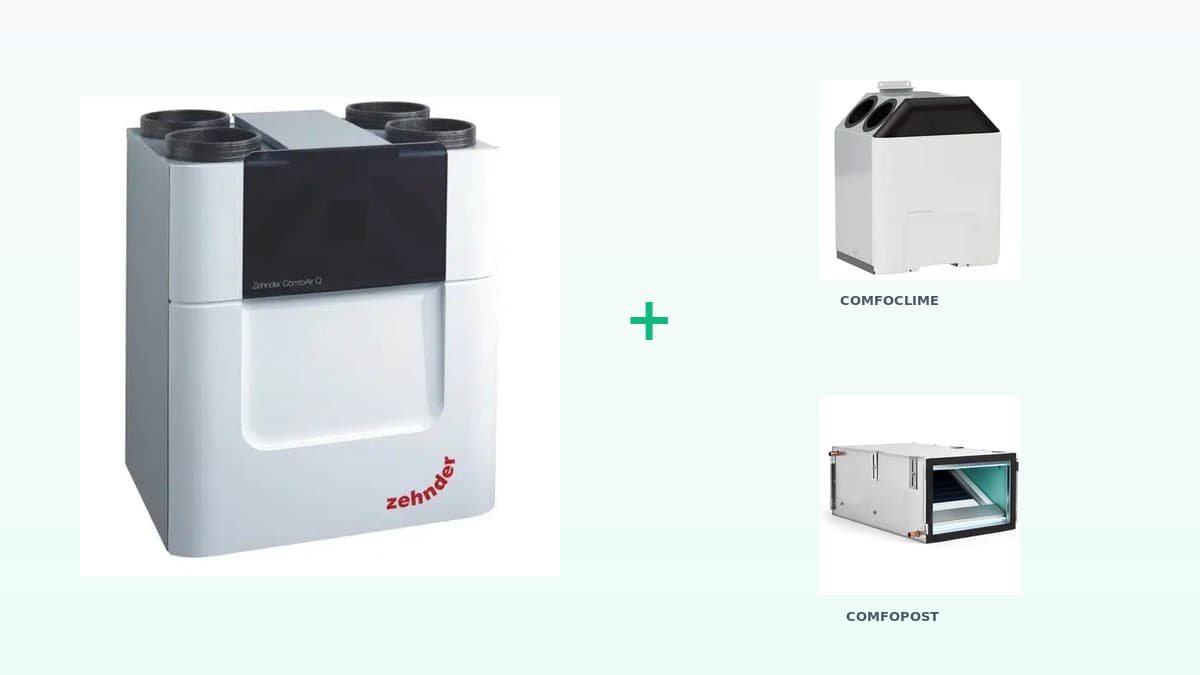
Two systems dominate home ventilation: mechanical extract ventilation (type C) and balanced ventilation with heat recovery (type D, or HRV). The difference determines your comfort and your energy bill, so it is worth knowing.
Type C: extract, with supply through trickle vents
Mechanical ventilation extracts air in the kitchen, bathroom and toilet. Fresh air enters through vents in the window frames. Simple and cheap to install, but with two drawbacks: the incoming air is as cold (or hot) as it is outside, and all the heat you extract is lost.
In winter that means cold air past your sofa and a heating system working overtime. Many residents therefore close the vents, which effectively stops ventilation and starts moisture and CO2 problems.
Type D: balanced ventilation with heat recovery
An HRV system extracts and supplies mechanically. The heat exchanger transfers up to ~90% of the heat from the extract air to the fresh supply air. Fresh air enters at near room temperature, no draughts, no cold drop, and filtered (particulates and pollen stay outside).
The benefits: constant fresh air in every room, 40-60% humidity, lower heating costs and a quieter home (no open vents also means less street noise). The drawback: installation requires ducting, making it more expensive than type C. In new builds it is the standard; in existing homes an upgrade is very possible, especially during a renovation.
What suits your home?
Rule of thumb: the better insulated the home, the bigger the benefit of HRV. In a well-insulated house, ventilation is the biggest source of heat loss, exactly the loss HRV recovers. If you already have ducting from an old HRV system, replacement with a modern unit is often done in a single day.
In doubt? See our page on upgrading from mechanical ventilation to HRV, or request a no-obligation consultation.
From MV to HRV?
Read what an upgrade costs and delivers, or request a quote right away.
See the upgrade